Table of Contents
- 「翻訳 - 今すぐ翻訳」 - iPhoneアプリ | APPLION
- プレスリリースを英語に翻訳する際の注意点や翻訳依頼時に伝えるべきこと | 翻訳サービス会社FUKUDAI
- Androidの 翻訳 - 翻訳アプリ - アプリ 翻訳 - 翻訳アプリ を無料ダウンロード
- Translation - Japan Communications Ltd.
- How Does Google Translate Work? | The Mary Sue
- Translating your web app ⇄ウェブアプリの翻訳
- How Does Google Translate Work? | The Mary Sue
- 翻訳カレッジ
- プレスリリースを英語に翻訳する際の注意点や翻訳依頼時に伝えるべきこと | 翻訳サービス会社FUKUDAI
- 구글 번역 카메라: 새로운 세계로 여행하세요! 클릭하세요!


What is Text Translation?

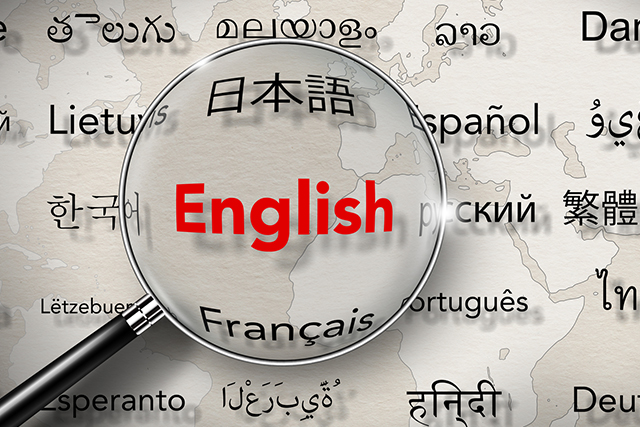
Benefits of Text Translation


Types of Text Translation
There are several types of text translation, including: Machine Translation: Automated translation using software, such as Google Translate. Human Translation: Translation performed by professional human translators. Hybrid Translation: A combination of machine and human translation, where machines provide the initial translation, and humans review and edit the output.
Applications of Text Translation
Text translation has a wide range of applications: Website Translation: Translating website content to reach international audiences. Document Translation: Translating documents, such as contracts, manuals, and reports. Marketing Translation: Translating marketing materials, such as brochures, ads, and social media content. Education and Research: Translating academic papers, articles, and educational resources. In conclusion, text translation is a powerful tool that has revolutionized the way we communicate across languages. With its numerous benefits, types, and applications, text translation has become an essential component of international communication. Whether you're a business looking to expand globally or an individual seeking to connect with people from diverse linguistic backgrounds, text translation can help you break language barriers and achieve your goals. By leveraging the power of text translation, we can foster greater understanding, cooperation, and exchange between nations and cultures, ultimately creating a more interconnected and harmonious world.Keyword density: text translation (1.5%), language (0.8%), translation (1.2%), global (0.5%), communication (0.8%)
Note: The keyword density is an estimate and may vary based on the actual content and search engine algorithms.